
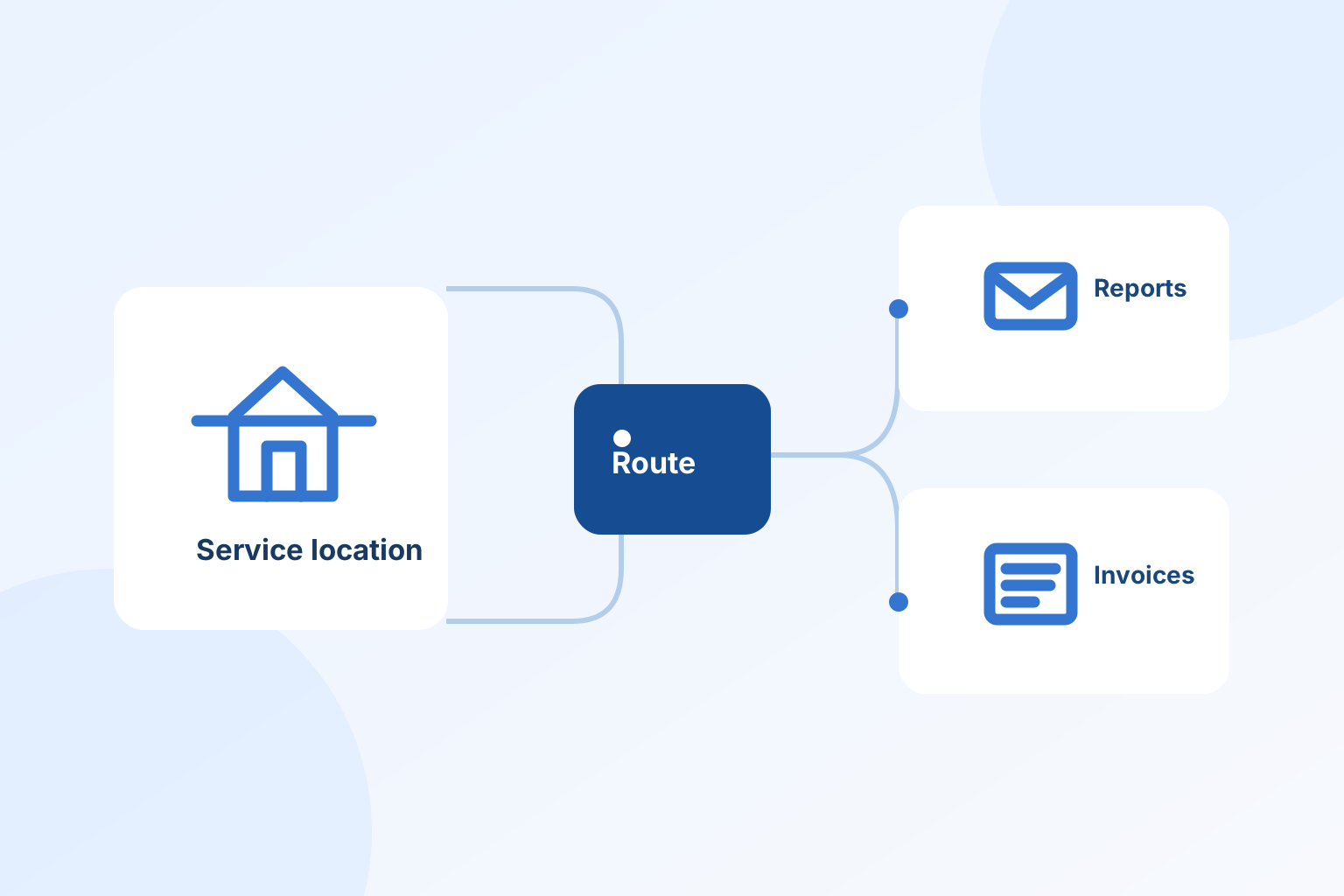
The property owner, tenant, manager and accounts payable contact often have different reasons to hear from a service business. Treat each contact as a recipient with a purpose, not as another address in a single “email” field.
Name the roles
At a minimum, distinguish service contact, site access contact, report recipient and payer. A person can hold several roles. Record a primary contact and an alternate when there is a reliable handoff.
Choose topics by destination
Set preferences separately for scheduling, technician arrival, job progress, completion reports, estimates, invoices and payment reminders. Start new added contact methods with all applicable operational notices enabled, then let the business switch individual topics off after confirming the recipient’s role and permission.
Keep privacy and delivery visible
A payer should not receive internal notes or photos by accident. Confirm the address or number before the first sensitive send, honor consent and opt-outs, and keep delivery results with the related message. If an invoice fails, the office needs a clear retry path.
Review changes when a property changes hands
When a manager leaves or ownership changes, remove old recipients before the next automated send. Check who receives reports and invoices as part of the new service agreement.
Keep the customer, the work and the next action connected.
Explore customer records